Zimbabweans urged to tap into profitable oyster mushroom farming as imports surge
Source: VFD.com
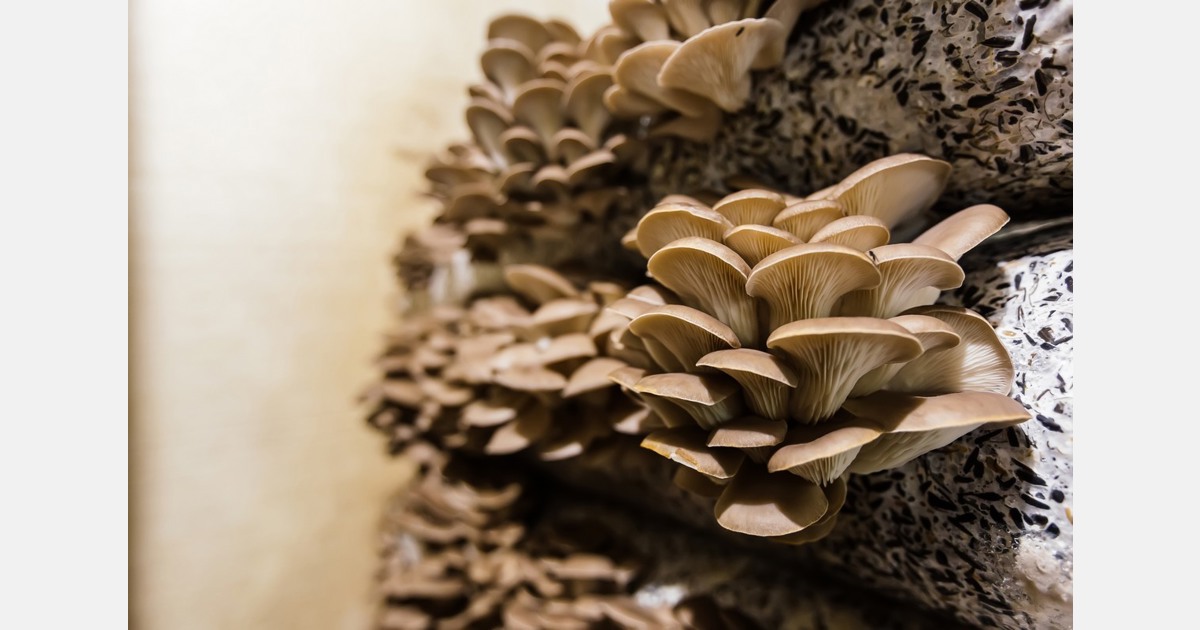
As we provide the news for free, we are relying on revenues from our banners. Crop waste materials, which are often discarded after harvest, can be effectively used as substrate for growing mushrooms.
This not only reduces waste but also creates an opportunity for farmers to generate additional income during a period when traditional farming activities are limited. Oyster mushrooms can be consumed as a relish, offering a nutritious addition to household diets.
Beyond food, mushroom production also contributes to land reclamation and supports pharmaceutical industries, where mushrooms are used in the development of medication. The sector presents significant economic potential, particularly as Zimbabwe is currently importing approximately 80 percent of its mushroom supply.
Why this matters: For operators, the real question is whether the sensing, control, or data layer creates faster and better decisions. The facilities that win are the ones that turn visibility into tighter control and tighter control into better outcomes.
Frequently Asked Questions
Why does LED fixture selection matter in controlled environment agriculture?
Lighting decisions affect both crop performance and energy intensity. Fixture efficiency, spectral control, and placement all influence how much value a facility gets from every kilowatt-hour.
What should growers evaluate before adopting new LED systems?
Growers should look at fixture efficiency, controllability, crop-specific use case, integration with existing controls, and the operational payback period instead of treating lighting as a standalone hardware purchase.