Coir substrate demand grows as India’s protected‑cultivation footprint expands
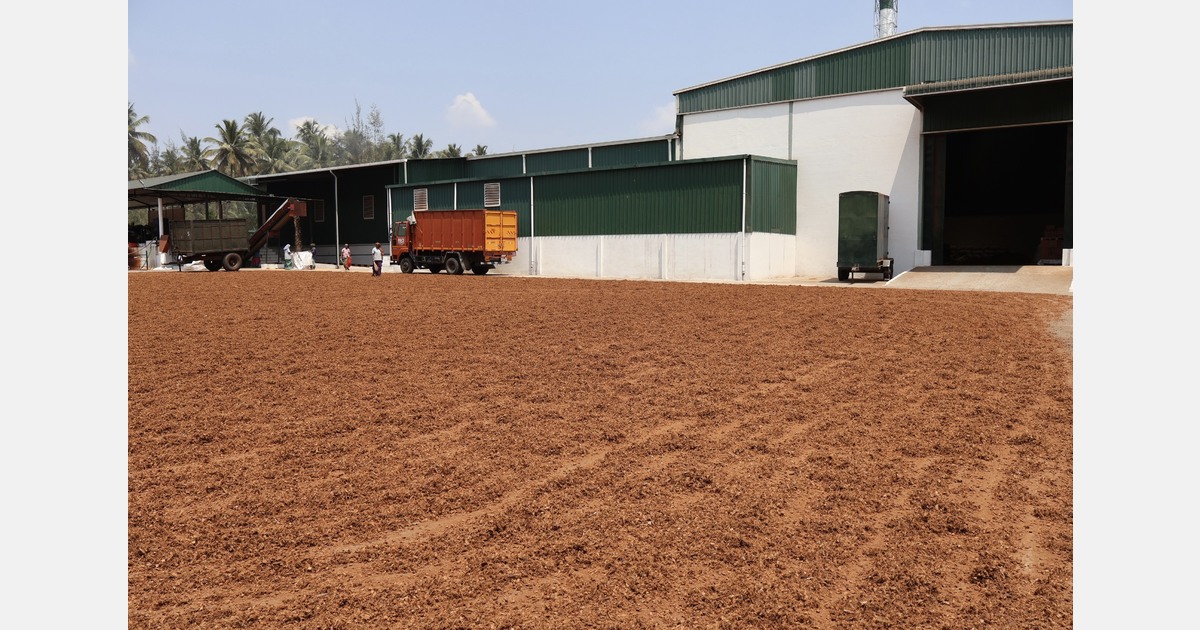
Source: HD.com
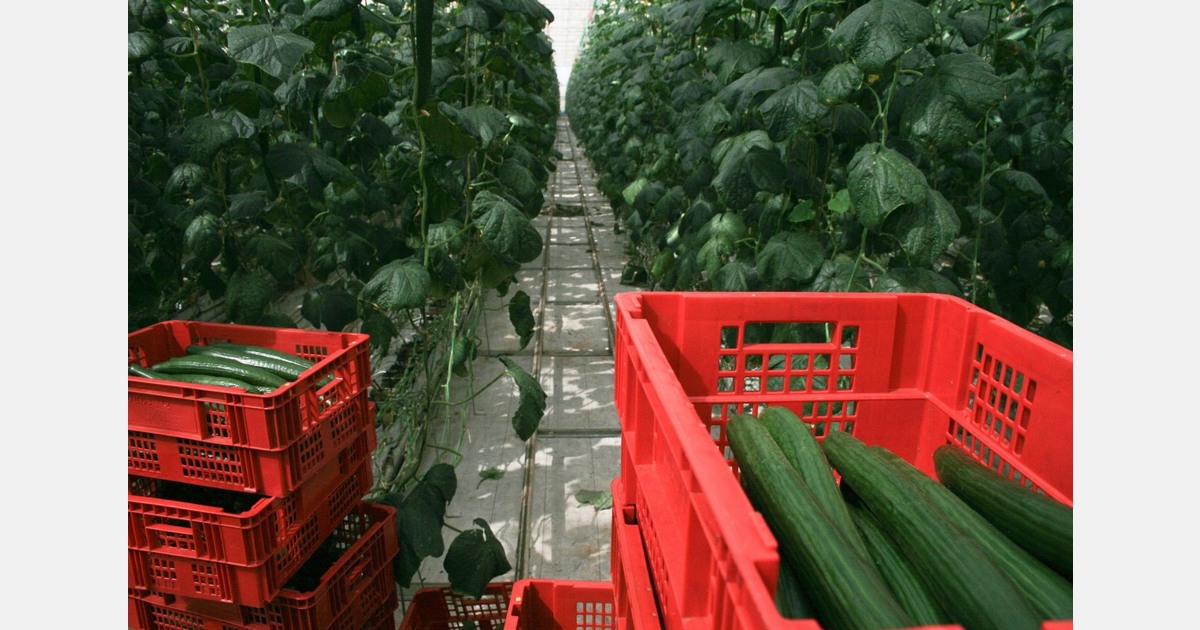
As we provide the news for free, we are relying on revenues from our banners. "Polyhouse growers working with tomatoes, cucumbers, and berries, plus entrepreneurs testing hydroponics for the first time, make up the bulk of our customer base, and our processing volumes have scaled accordingly to keep pace with this growth," he explains.
According to Akshay, the Middle East conflict has added volatility to global logistics, nudging substrate prices mainly through freight and transport rather than raw‑material costs. "Our raw material costs and domestic substrate prices have remained stable, so the change is almost entirely driven by shipping variables.
But Biogrow prioritizes supply‑chain resilience by anticipating logistical shifts, optimizing our shipping, and absorbing as much of that complexity as possible so our partners can get their growing media on time and still see relatively stable pricing." © Biogrow Substrates India On the crop side, Biogrow Protec continues its focus on cherry tomatoes, which remain a strong crop for premium retail and export‑oriented polyhouse operations. "We also work with other protected crops gaining traction in organised retail and export, such as beef tomatoes, cucumbers, melons, and berries, by refining substrate blends for particular crops and climates and collaborating with growers on irrigation and fertigation strategies." He adds, "When clients tell us they're seeing more uniformity, cleaner production cycles, and less crop stress, that's how we know our premium substrates are delivering real value in the field." Growers often face inconsistent cocopeat quality, limited technical know‑how, and unreliable supply chains, which Biogrow India aims to address.
Why this matters: For operators, the real question is whether the sensing, control, or data layer creates faster and better decisions. The facilities that win are the ones that turn visibility into tighter control and tighter control into better outcomes.
Frequently Asked Questions
Why does LED fixture selection matter in controlled environment agriculture?
Lighting decisions affect both crop performance and energy intensity. Fixture efficiency, spectral control, and placement all influence how much value a facility gets from every kilowatt-hour.
What should growers evaluate before adopting new LED systems?
Growers should look at fixture efficiency, controllability, crop-specific use case, integration with existing controls, and the operational payback period instead of treating lighting as a standalone hardware purchase.