Momentum builds at HortiFlorexpo IPM Beijing as global players expand in China
Source: HD.com
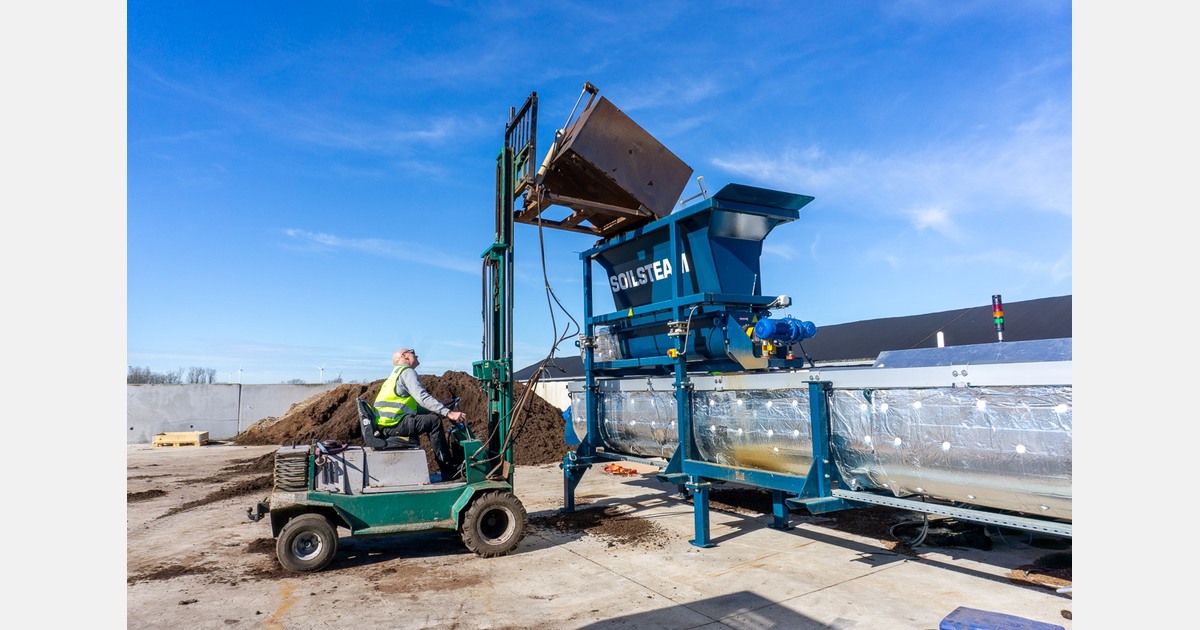
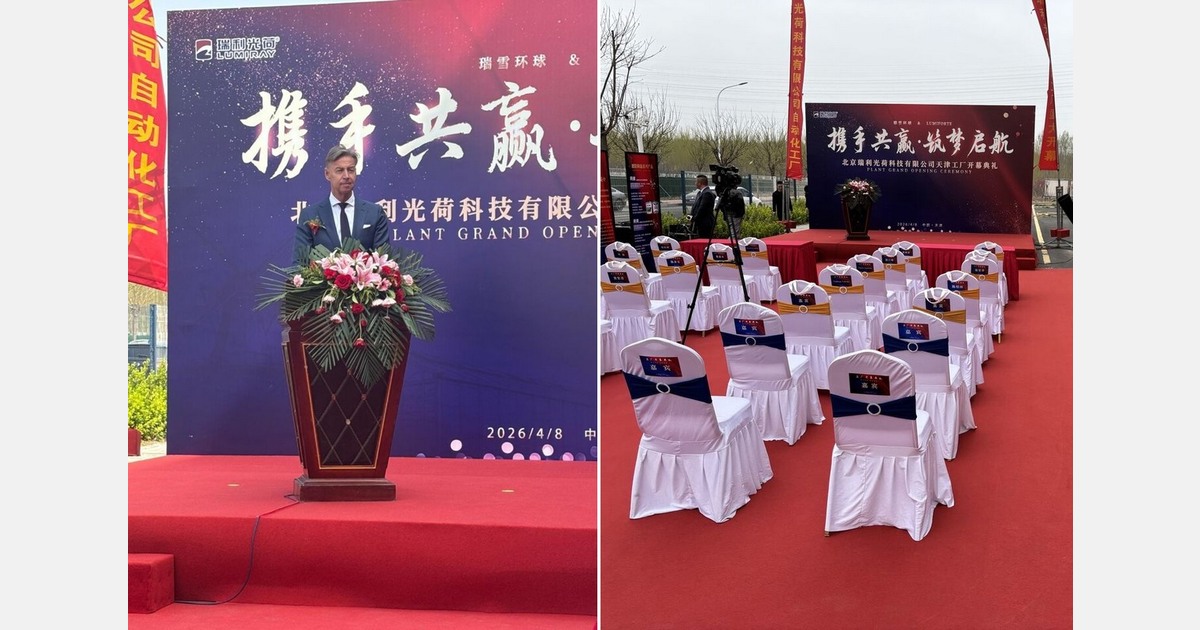
As we provide the news for free, we are relying on revenues from our banners. A key development preceding the Expo is the opening of Lumiforte's new production facility in Tianjin.
CEO Guido Janssen described the project as strategically aligned with market growth: "The Chinese market is developing at a rapid pace, and in the coming years, plenty of new high-tech greenhouses will be built." He noted that the facility enhances Lumiforte's capacity to serve both domestic and international customers and represents the company's fourth production location globally. © Lumiforte At the exhibition, suppliers like Meteor Systems will present applied innovations for greenhouse operations.
Their Mini-Air soft fruit cover optimizes microclimate control, while updated floating raft systems with X-shaped planting holes improve planting density and operational efficiency. According to company representatives: "Wherever you grow, we design systems that work in practice." © NL Over 50 Dutch companies are participating, covering the full horticultural value chain, including breeding, propagation, high-tech greenhouse construction, environmental control systems, and AI-assisted cultivation.
Why this matters: For operators, the real question is whether the sensing, control, or data layer creates faster and better decisions. The facilities that win are the ones that turn visibility into tighter control and tighter control into better outcomes.
Frequently Asked Questions
Why does LED fixture selection matter in controlled environment agriculture?
Lighting decisions affect both crop performance and energy intensity. Fixture efficiency, spectral control, and placement all influence how much value a facility gets from every kilowatt-hour.
What should growers evaluate before adopting new LED systems?
Growers should look at fixture efficiency, controllability, crop-specific use case, integration with existing controls, and the operational payback period instead of treating lighting as a standalone hardware purchase.