Retrofitting the greenhouse: how Spanish growers are adding digital intelligence to aging infrastructure
Source: HD.com
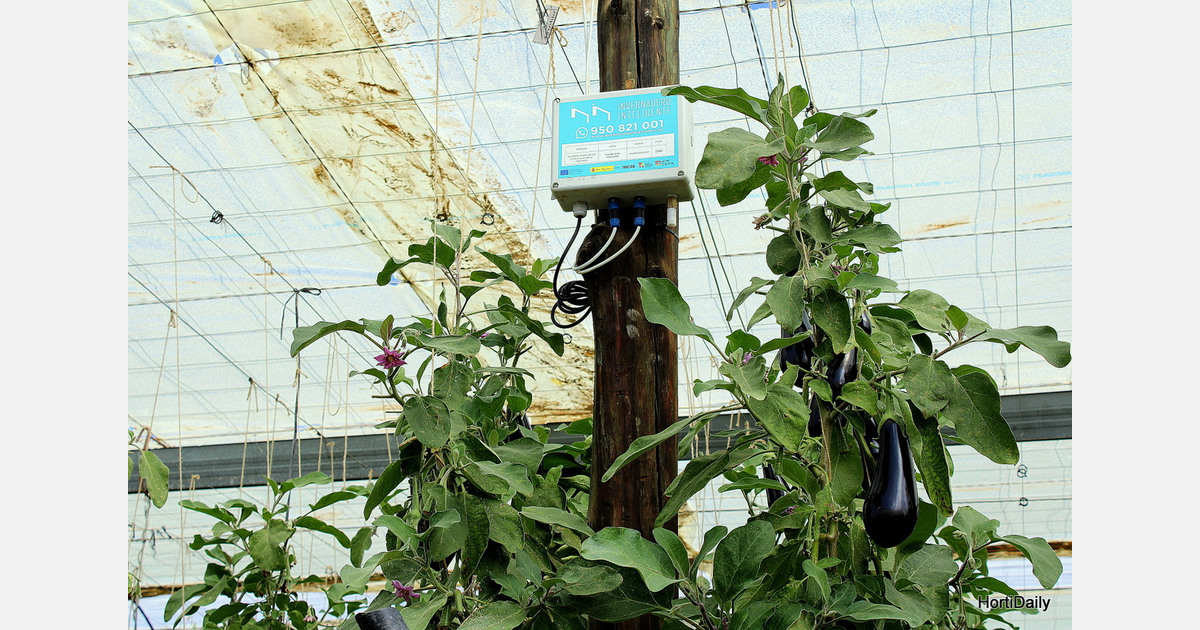
As we provide the news for free, we are relying on revenues from our banners. That is the premise behind Invernadero Inteligente, a Spanish agri-tech company whose CEO, Francisco Gutiérrez, recently walked through a watermelon operation in the Vícar area that illustrates the challenge well: a facility whose structures have evolved over the years and that, following the damage from this winter's storms, needs not just repair but technological adaptation.
Greenhouse planted with watermelon, where the ravages of this winter's storms are still visible. The starting point, Gutiérrez explains, is a scenario he encounters routinely.
A greenhouse running a basic climate control system limited to managing windows and shade bands, with no integration capability and no capacity for joint data analysis. "That situation is common in older installations," he says, "and it limits the farmer's ability to make data-driven decisions." "From that context, the Invernadero Inteligente proposal is based on making maximum use of existing infrastructure, avoiding unnecessary investment and building on top of what is already installed a technology layer that acts as the brain of the system.
Why this matters: For operators, the real question is whether the sensing, control, or data layer creates faster and better decisions. The facilities that win are the ones that turn visibility into tighter control and tighter control into better outcomes.
Frequently Asked Questions
Why does LED fixture selection matter in controlled environment agriculture?
Lighting decisions affect both crop performance and energy intensity. Fixture efficiency, spectral control, and placement all influence how much value a facility gets from every kilowatt-hour.
What should growers evaluate before adopting new LED systems?
Growers should look at fixture efficiency, controllability, crop-specific use case, integration with existing controls, and the operational payback period instead of treating lighting as a standalone hardware purchase.